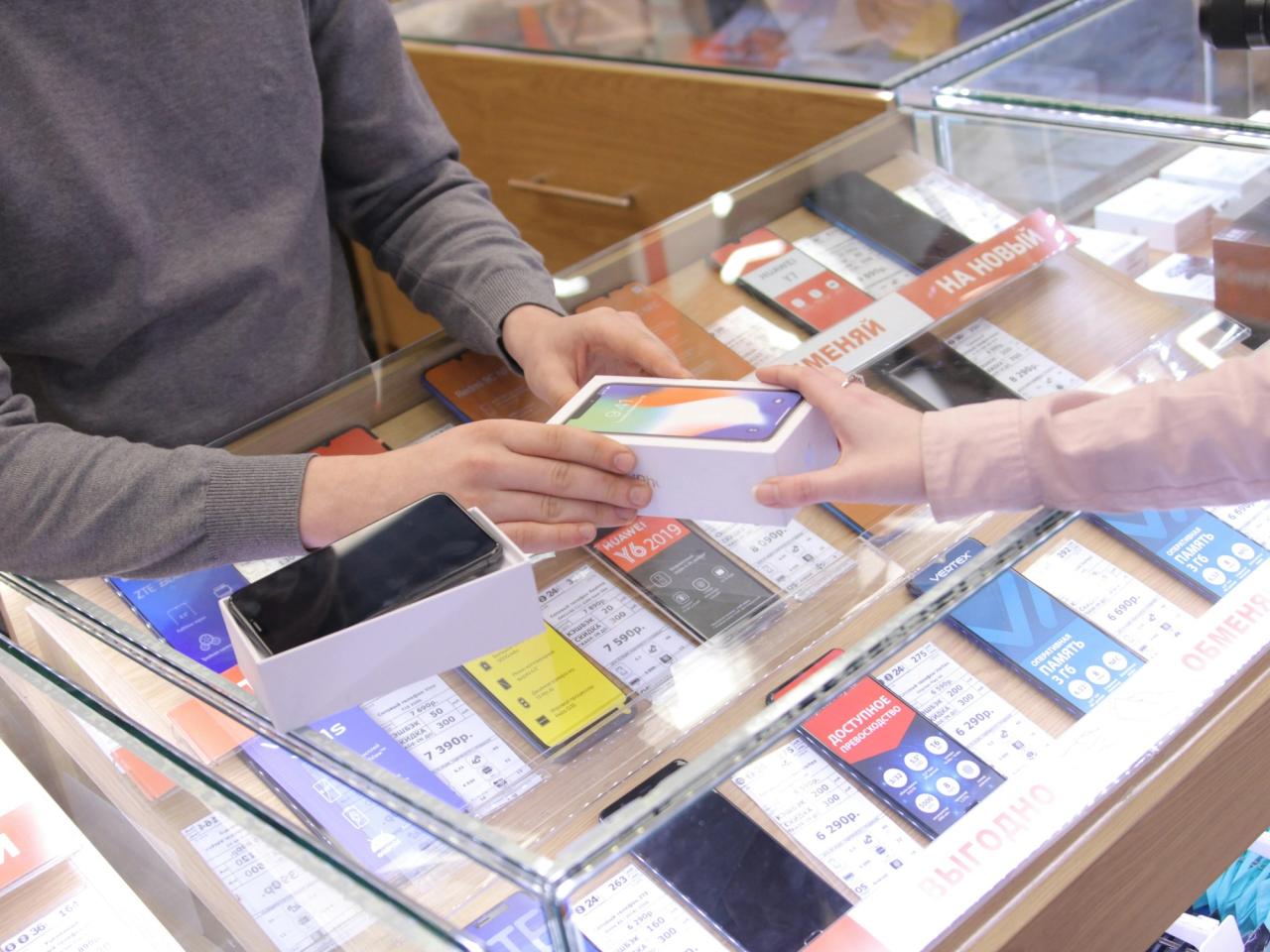
Phone listings in Pakistan use a handful of labels that decide whether the phone will work with your SIM next month. Two of them are official ideas, and the rest are market slang. This guide explains each one in plain words, so you know what you are paying for.
PTA approved
A phone is called PTA approved when its IMEI number is registered in DIRBS, PTA's Device Identification, Registration and Blocking System. That happens in one of two ways:
- It was imported or made for sale in Pakistan through official channels, and the duty was paid before it reached the shop. These phones usually come with an official local warranty.
- It was brought in from abroad, and someone registered it in DIRBS and paid the duty and taxes to FBR afterwards.
Either way, it works with any Pakistani SIM, and you will not have to pay anything more. "PTA approved" in a listing is only a claim, though. The way to confirm it is to check the IMEI by SMS to 8484 or on the DIRBS website. See how to check PTA status by IMEI.
Non-PTA
A non-PTA phone has a valid IMEI that has not been registered in DIRBS. Most are phones bought abroad, sent by family, or brought in for resale without paying the duty.
What happens to it depends on how it is used:
- With a Pakistani SIM: DIRBS pairs the phone with the SIM used in it. FBR's procedure gives travellers 60 days from arrival to register a phone they brought with them. A phone that is never registered stops working on local networks.
- With WiFi only: blocking applies to the mobile network. Apps over WiFi, such as WhatsApp, keep working.
- With a foreign SIM on roaming: FBR's procedure notes that, under PTA policy, a visitor can keep using a foreign SIM without registering. Once a local SIM goes in, the phone has to be compliant.
To make a non-PTA phone work normally, you register it in DIRBS and pay the duty and taxes on the payment slip (PSID) it gives you. Our guide to PTA tax on mobile phones explains how to find the amount.
Why non-PTA phones are cheaper
The shop price leaves out the tax. If you plan to register the phone, add the PSID amount to the asking price. For expensive phones, the total can come close to, or above, the price of the same model sold as PTA approved with a local warranty.
"JV" phones
You will not find "JV" on any PTA or FBR page we checked. It is a label used by sellers. A TechJuice guide from January 2026 describes JV phones as carrier-locked phones from the US, Europe or Japan, and says the "joint venture" explanation sellers give is made up.
In practice, a JV phone is usually an iPhone that was sold on a contract with a foreign mobile network, so it only accepts that network's SIM. To make it work in Pakistan, sellers fit an unlock chip with the SIM or use other workarounds. The same guide calls these phones unstable. The risks are:
- The workaround can stop working after a software update.
- The phone is still not registered in DIRBS, so it still faces the same blocking as any non-PTA phone.
- There is no official warranty in Pakistan.
If you are offered a JV phone, treat it as a non-PTA phone with extra risk. Check the IMEI, find out the tax, and compare the full cost with an approved phone.
"CPID" and "patch" phones
These labels are also market terms. They describe phones whose IMEI has been changed so that DIRBS sees a different, already registered number:
- CPID: ProPakistani reported in December 2023 that this method changes a phone's IMEI through software connected to a paid remote server. It reported that the government had listed hundreds of shops and smugglers selling CPID and patched phones, and that PTA planned action.
- Patch: the same report says patch approvals use similar techniques. The TechJuice guide adds that a software update can remove the patch and the phone is then blocked.
FBR's procedure states that phones found stolen or with a duplicate or invalid IMEI are permanently blacklisted in DIRBS. A phone with a changed IMEI is at risk of exactly that, and there is no legal way to register it afterwards. Do not buy a phone sold as CPID or patch approved.
Side by side
| Label | Registered in DIRBS? | Works with a local SIM? | Extra cost | Risk |
|---|---|---|---|---|
| PTA approved | Yes | Yes | None | Low, if the IMEI check confirms it |
| Non-PTA | No | Only for a short time, unless the tax is paid | FBR duty and taxes | Medium: you must pay to use it normally |
| JV | No | Only through a workaround | FBR duty and taxes to register | High: workaround can fail |
| CPID or patch | Shows a different IMEI | Until it is caught | Not registrable | Very high: permanent blacklisting |
Swipe the table sideways to see every column.
Before you pay for any phone
- Dial *#06# and note the IMEI or IMEIs.
- Match them with the box and settings.
- Check each one by SMS to 8484 or on the DIRBS website.
- If it is not registered, find out the tax before agreeing a price.
- Avoid any phone where the seller talks about CPID, patches or chips.
If you are buying used, our guide to buying a used iPhone in Pakistan covers the other checks, such as battery health and parts history.